

For years, the Oncology service at the University Hospital of Tirana has become the most brutal symbol of the public health crisis in Albania. Long lines of patients, lack of medicines, endless waits for radiotherapy and shocking testimonies from family members that show that the battle with cancer often begins by initially fighting the system. Just a few months ago, scandals and denunciations about the situation at the Oncology service brought back to the center of the debate the question of how one of the country's most vital services has been administered for years.
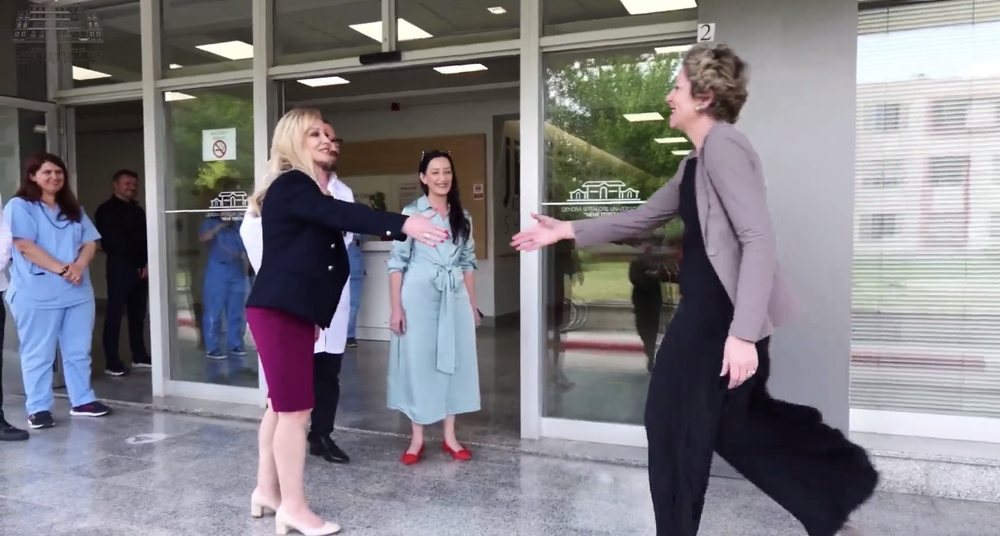
Against this backdrop, the Minister of Health and the leaders of the QSUT once again appeared in front of the cameras to present the full operation of the 3rd Linear Accelerator in the Oncology service, where according to the official announcement, the first patient has been successfully treated.
According to the authorities, the investment increases the capacities of the Radiotherapy Unit and significantly improves the quality of treatment for oncology patients, thanks to modern technologies and high-precision techniques. Meanwhile, the arrival of brachytherapy and the 4th Linear Accelerator has also been announced.
But the problem is not the equipment. Every investment in Oncology is necessary and overdue for a service that has been operating under extreme pressure for years. The problem is the brutal contrast between television propaganda and the reality that patients show every day off-camera.
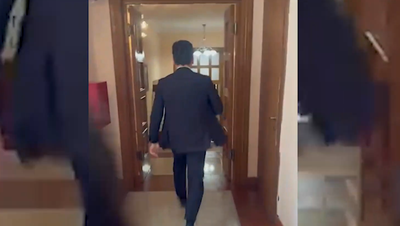
Every time the minister and the director of the QSUT make a propaganda tour of the hospital corridors, there is no flow, no tension, no revolted patient. The corridors are clean, the service seems perfect and everything looks like an institutional advertisement. But it is enough to talk to the patients' families to hear another story: long waits, psychological fatigue, absence and the feeling that the system remembers them only when the cameras are turned on.
Instead of Oncology being an example of reflection after all the denunciations and public trauma that this service has produced, it continues to be used as a backdrop for political propaganda. And this makes public perception even more difficult: because in the face of a disease like cancer, people seek trust and dignity, not television direction.