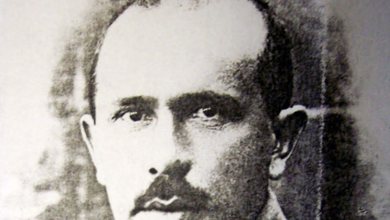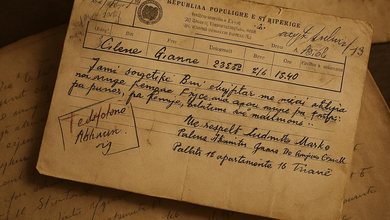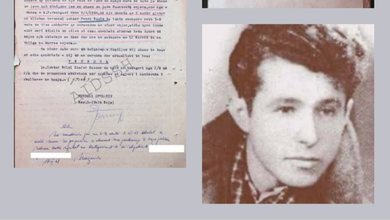



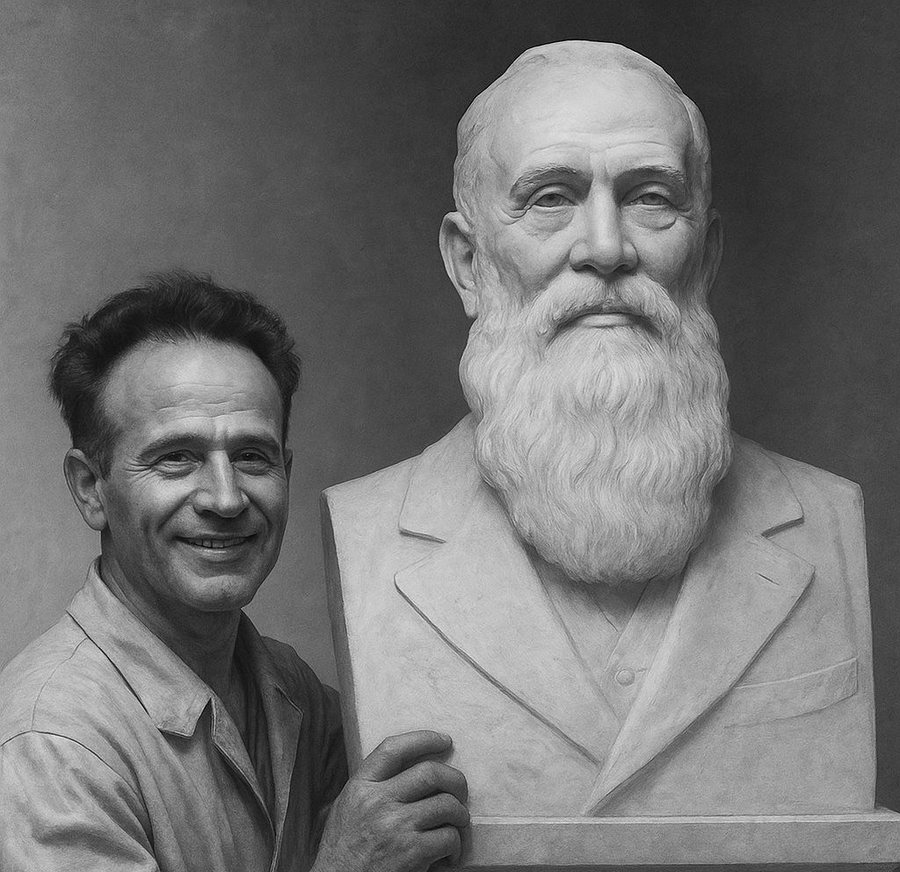
A rare letter from 1956, sent by sculptor Dhimitër Çani to Rita Marko, reveals a tense reality within the Albanian Artists’ League in the early years of socialist realism. In this personal letter, which begins with the plea “forgive me if I am wrong”, Çani confesses that for years he had been under constant pressure, moral and professional, from some of the most powerful figures in Albanian art of the time: Odhise Paskali, Foto Stame and Nexhmedin Zaimi. He writes that everything started after the criticisms he had made at the meeting of the Artists’ League in 1954, where Liri Belishova was also present. According to him, from that day on, his works began to be regularly excluded from competitions and exhibitions, while requests made for explanatory meetings “were left in silence, because they do not like the law”. Çani says that in the competition for the 11th anniversary of the Liberation, he had submitted 11 sculptures, including portraits of Chinese workers, but his works were removed on the grounds that they were “not on topic”. He mentions a serious episode at the 1955 exhibition, where Paskali, “brutally”, ordered the removal of two of his busts from the main hall, replacing them with his own works, while Foto Stame was rushed to enforce the decision. According to the letter, this happened just an hour before the opening of the exhibition, when visitors had started to arrive. Çani says that they made fun of him even though his works were good, and that the criticisms made of the Chinese figures were motivated, not artistic. “This is a blow you are giving yourself,” he had told them, reminding them of the spirit of socialist realism and friendship with the socialist East.
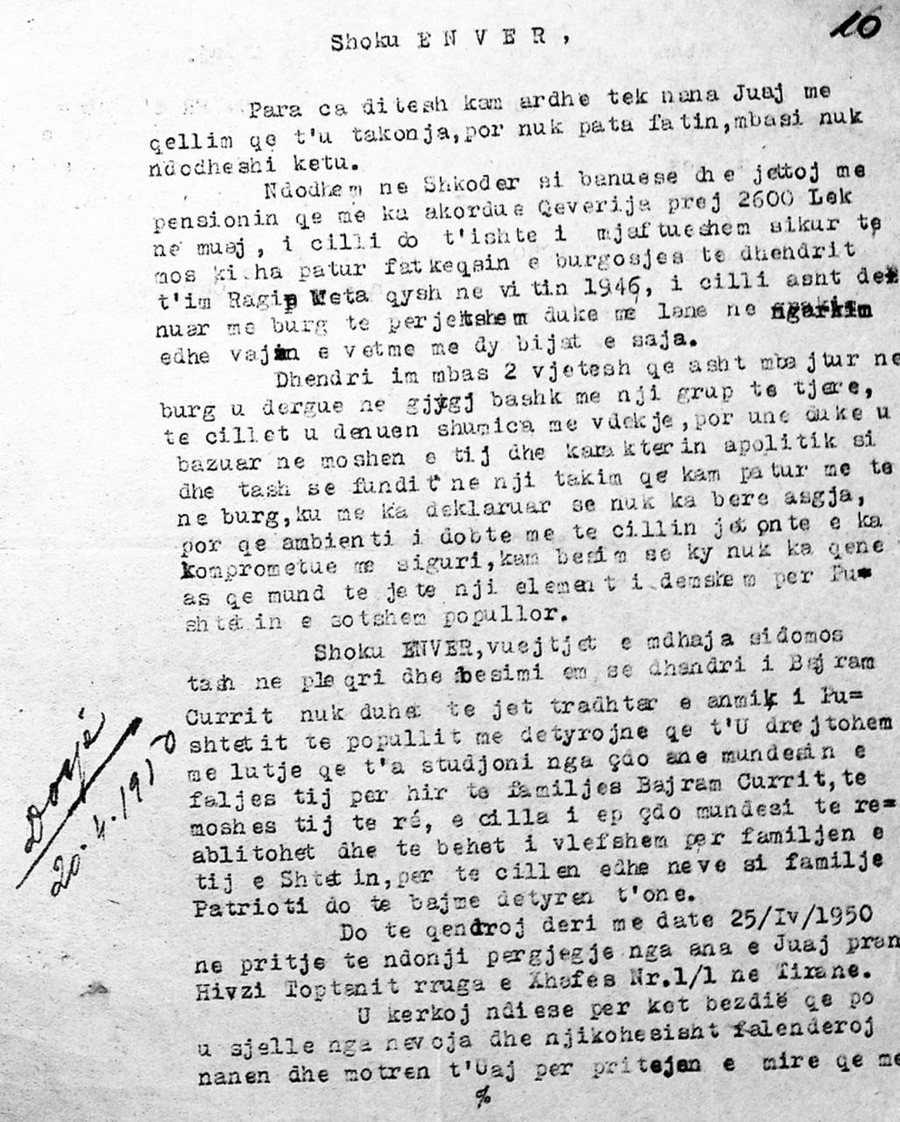
The letter also describes a series of other interventions, where Paskali is suspected of having taken over projects, including the monument to Enver Hoxha for the “Enver” United School, a work that Çani says was stolen “behind his back”, without the school’s knowledge. Paskali had also tried to take away the other bust of Enver, placed in the factory, from his hands, but without success. Çani says that he was never involved in the commissions and that any hope of representation was cut off. At the meeting of April 9, 1956, the painter Abdulla Emini had spoken openly in his defense, saying that Çani was a tireless worker and that he had been “beaten mercilessly” by Paskali and his people, while adding that his work deserved mention in the press, which had never been done. Çani confesses that because of this situation he is on the verge of giving up and is considering completely abandoning his craft, because in addition to the moral struggle, he also faces material difficulties, as his works are neither exhibited, nor purchased, nor supported. He closes the letter by asking Rita Markos to help him, so that he and other artists are treated fairly, "not with contempt and exclusion", calling for the well-being of folk art and creativity in the country.
⸻