

In the late 1980s, as the communist regimes of Eastern Europe were collapsing one after another, the reality in Albania was quite different.
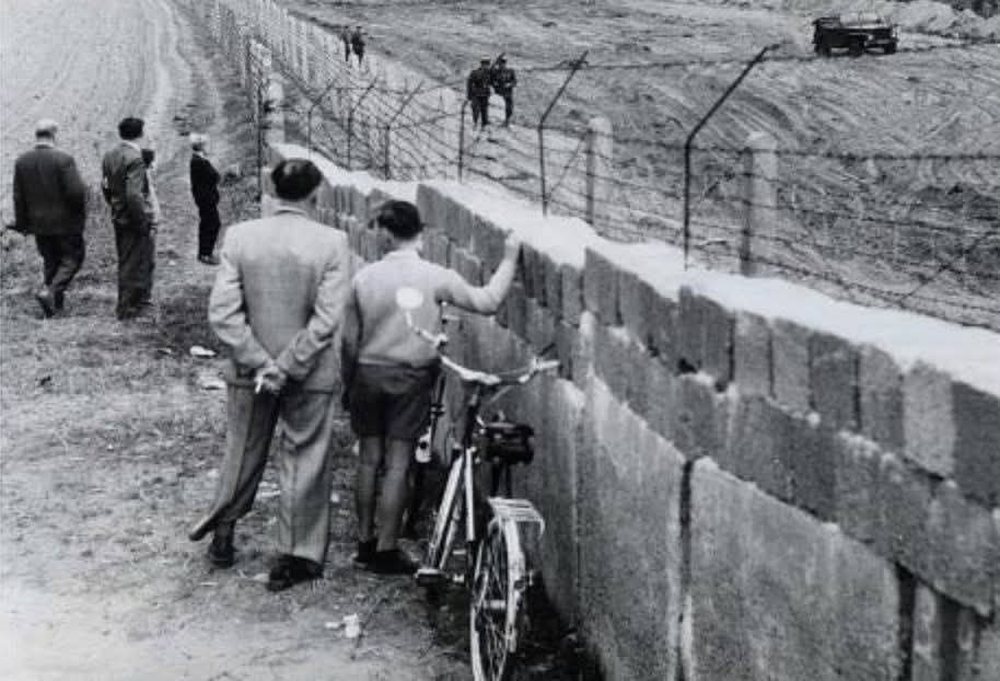
The fall of the Berlin Wall on November 9, 1989 was seen by Albanian citizens as a clear signal that "communism had ended" and that "we too will change."
In the State Security wiretaps, voices of young people from Tirana and Shkodra are heard who openly expressed their hope for freedom, pluralism, and inclusion in a united Europe:
"The Berlin Wall has fallen, this is the end of communism."
"A socialist state in the midst of capitalist Europe cannot remain communist."
However, the Albanian government continued to act as if the changes had not occurred.
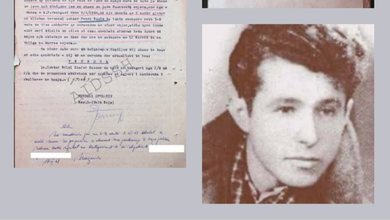
In the documents of the Ministry of Interior (File no. 64 – “Comments on political changes in Eastern Europe”), it is clearly seen that the regime of Enver Hoxha, now under the leadership of Ramiz Ali, sought to maintain control by any means: internment, criminal prosecution and ideological persecution of any dissenting voice.
Interior Minister Simon Stefani, in a March 1989 report, described the situation with the words: "The devil is out of the bottle."
Just a few months later, when the world was celebrating the end of ideological divisions, wiretapping of intellectuals, journalists, and workers continued in Albania.
In a December 1989 report, Minister Hekuran Isai called for “legalizing the hostile activity” of some citizens who had spoken differently – the latest evidence of the logic of fear that still prevailed.
Meanwhile, news of pluralism and free elections was coming from neighboring countries:
Hungary initiated economic reform;
Poland allowed Solidarity;
Czechoslovakia and Romania were changing their political systems;
Yugoslavia was liberalizing.
In Albania, despite its isolation, these developments came across as great hope for change. In the wiretaps, a phrase was often heard repeated: “We will join Europe in 1992.”