


Paganism is on the rise, and it all started with the “Wooden Statue,” the British weekly “The Economist” would write two years ago. The article began with a detail of the invitation to the coronation of King Charles III in the United Kingdom, where the image of a Green Man was placed. There was much discussion about what the leaf-face symbol displayed on the invitation meant. Was the new Monarch giving signals that he was a pagan? Or was he simply referring to the Green Man, the character of a classic British film released half a century ago (December 1973) under the title “The Wooden Statue”?
In fact, The Economist reports, neopaganism has recently become a hot topic, and not just because of King Charles. In the 2021 census, 74,000 people identified as pagan, up from 17,000 in 2011. And for the first time ever, less than half of citizens in England and Wales declared themselves Christian.
As the world becomes more connected and technologically connected, and the fight against climate change becomes increasingly desperate, there seems to be a nostalgic pull towards traditions rooted in nature, the countryside, and the changing seasons.
According to the Pew Research Center, a study published in May 2025 shows that there is a significant increase in the beliefs and practices most commonly associated with Pagan and animist traditions around the world, which include not only belief in spirits and an afterlife, but also in animal spirits or spiritual energy. The study is based on the results of a survey conducted with 50,000 adults in 36 countries with a diverse religious makeup.
According to this study, 64% of adults believe in life after death, with Indonesia, Turkey and Kenya having the highest levels (over 80%), while in Latin America this belief was held by about 2/3 of those questioned. In the US, 70% believed in life after death, 57% believed that animals have souls and 48% expressed the same about mountains, rivers or trees, which shows that despite the high level of Americans who identify as Christian, the responses indicate a widespread resonance with spirituality related to nature.
Even in countries with a high percentage of the population not identifying with any religious faith, belief in spirits was high. In Japan, for example, where more than half of adults have no religious affiliation, 53% said that animals have spirits and 56% believed that elements of nature can have spiritual energy.

The survey found that younger generations hold spiritual beliefs as much or more than older generations, and the pattern of these beliefs appears to be influenced by economic development. For example, in wealthier countries, people were less likely to believe in witchcraft, curses, or chanting. But the gap narrowed when it came to the belief that ancestral spirits were evil, suggesting cultural ties with deep roots in ancestral veneration.
These survey results highlight an important issue: even as affiliation with formal religious belief declines in some regions, spiritual practices and beliefs, particularly those related to folk traditions or nature, remain deeply embedded in human experiences around the world, indicating an increased presence of beliefs that have long been associated with pagan views, such as ancestor veneration, acceptance of the spiritual power of nature, and the practice of rituals that connect with unseen energies.
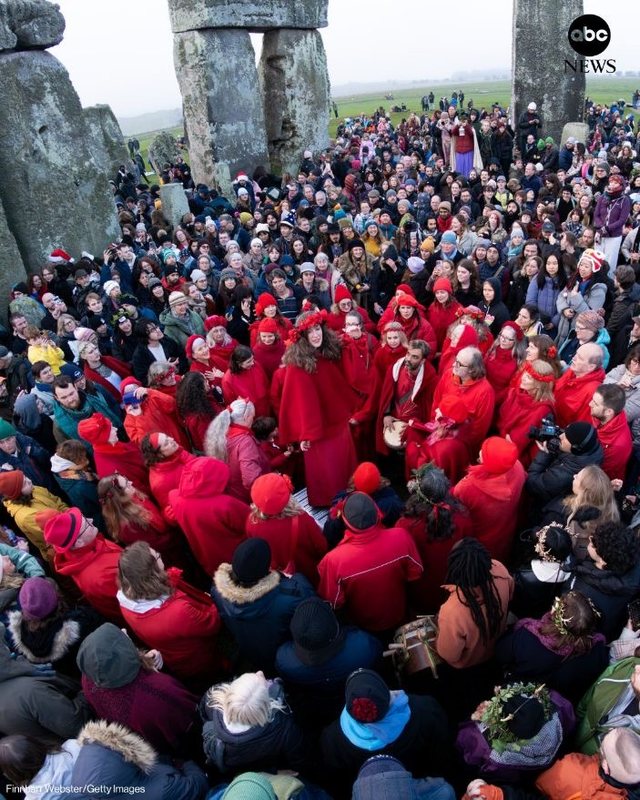
This year, on the day of the winter solstice, thousands of people cheered the sunrise at Stonehenge, Britain, and danced around the circle of prehistoric stones. The crowds gathered before dawn waited patiently in the darkness and cold, singing and beating drums.
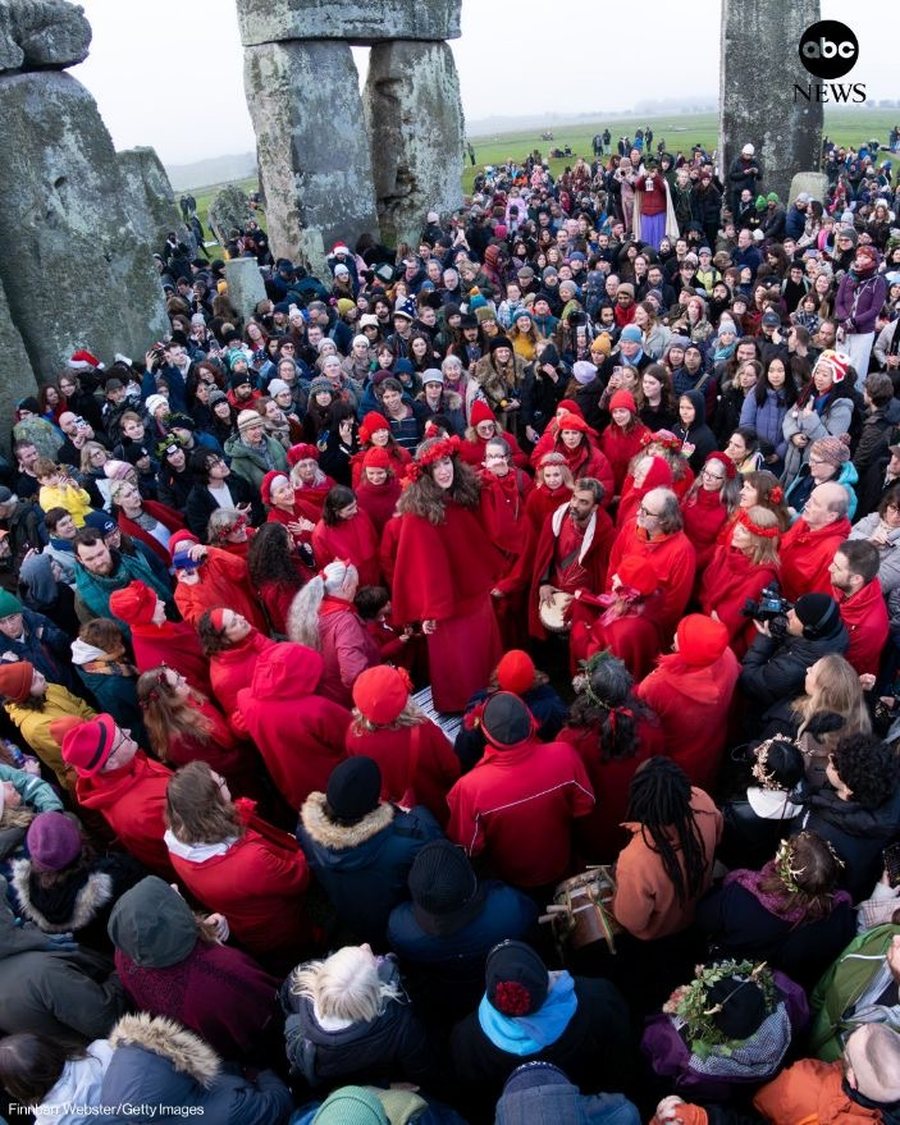
Many people call the winter and summer pilgrimages to this ancient stone monument (5,000 to 3,000 years ago) built to align with the sun on the solstices – two important dates for ancient farmers – a spiritual experience.
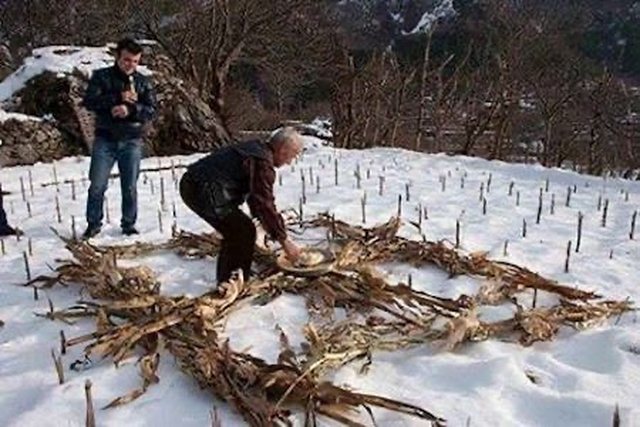
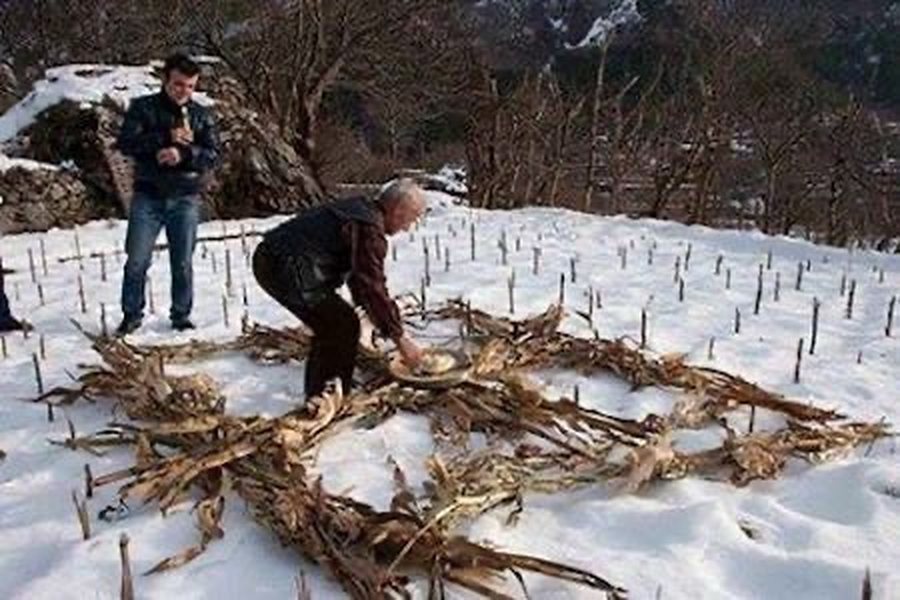
Even in the ancient Albanian tradition, the winter solstice (in some areas in the North it was celebrated on December 24) has its own rites. The festival called the Night of Buzmi (kërcu) symbolizes the resurrection of the Sun god. The generous Buzmi is celebrated with certain rituals that could vary from one region to another, but the essence remained the wish for a prosperous new year.
Respecting our ancient tradition, we wish you "Good luck, Buzmi Bujar".