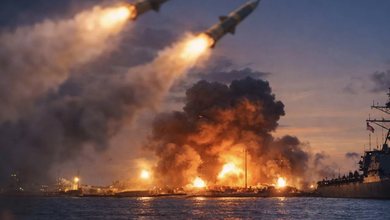
The conflict between the US, Israel and Iran has entered its third day, as Tehran has announced the closure of the Strait of Hormuz and warned that it will attack ships trying to pass through.
According to Iranian media, the Strait of Hormuz has been closed after US and Israeli attacks on targets in Iran. US President Donald Trump stated that the war could last 4–5 weeks or even longer. So far, four US soldiers have been reported killed in military operations.
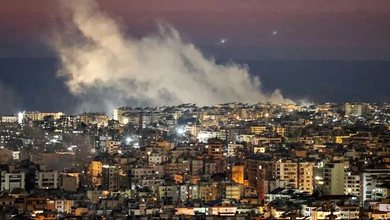
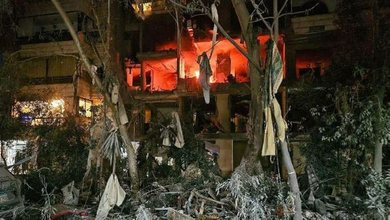
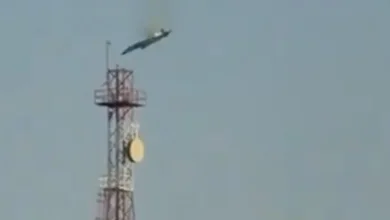
Meanwhile, tensions have spread across the region: Israel has struck Hezbollah targets in Lebanon, while Qatar has halted its liquefied natural gas (LNG) production due to Iranian attacks on Gulf countries. In a separate incident, Kuwait mistakenly shot down US aircraft.
10% of global container ship fleet stranded
About 10% of the global container fleet is stuck in the Strait of Hormuz, according to Jeremy Nixon, CEO of Ocean Network Express. Of the roughly 750 ships stuck, about 100 are container ships.
Marine insurers have suspended shipping through the strait between Iran and Oman, a strategic passage through which about a fifth of the oil consumed globally passes, as well as large quantities of gas.
Why is the Strait of Hormuz so important?
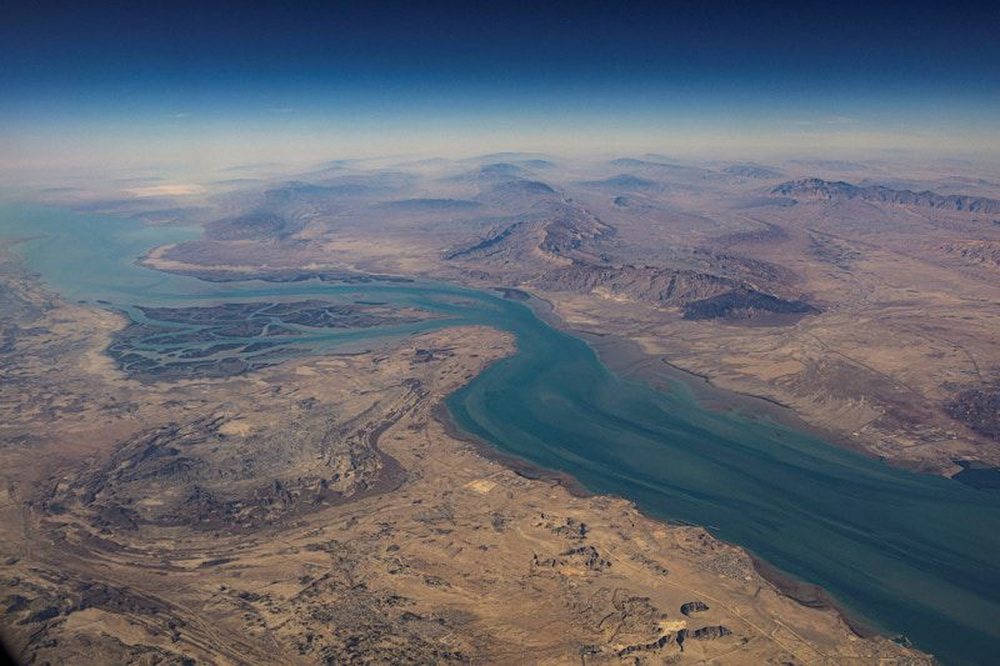
The Strait of Hormuz connects the Persian Gulf with the Gulf of Oman and then the Arabian Sea. At its narrowest point it is only 33 kilometers wide, while the navigation corridors are about 3 kilometers in each direction.
According to data from analytics firm Vortexa, more than 20 million barrels of crude oil and other energy products passed through the strait each day last year. OPEC countries such as Saudi Arabia, Iran, the United Arab Emirates, Kuwait and Iraq export most of their oil through it, mainly to Asia. Qatar, one of the world's largest LNG exporters, also sends almost all of its gas through this strategic passage.
The closure of the Strait of Hormuz significantly increases the risk of a global energy crisis and further escalation of the conflict in the Middle East.