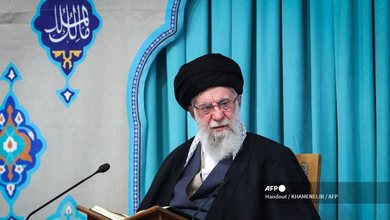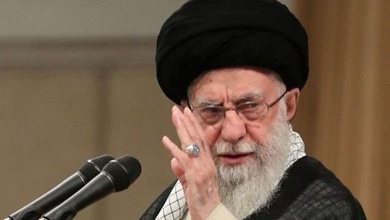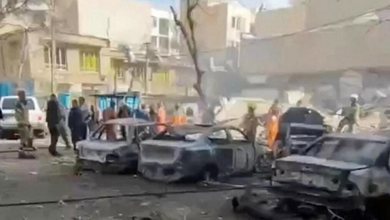
As Ali Khamenei's death has been confirmed, talk of his successor has begun in Tehran. According to international media, Iranian state structures had long been preparing for the scenario of replacing the Supreme Leader.
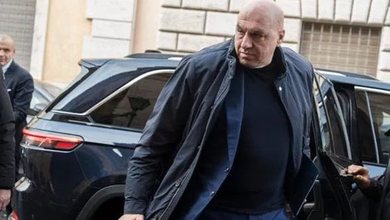
The first to react publicly was Ali Larijani, 67, currently head of the Supreme National Security Council. He neither confirmed nor denied the news, but warned that Iran would teach “an unforgettable lesson” to its enemies. His name has been mentioned in recent weeks as a key figure in the interregnum, if Khamenei’s death is confirmed.
How does the transition work?
Under the Iranian constitution, the Supreme Leader's powers are temporarily transferred to a three-person council: the president, the head of the judiciary, and a member of the Guardian Council. The Assembly of Experts—88 clerics elected every eight years—then appoints a successor.
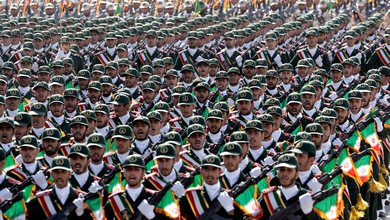
However, assessments by Western intelligence and Iranian analysts emphasize that the Revolutionary Guards (Pasdarans) will have a crucial role in a post-Khamenei Iran. According to reports, Khamenei himself had asked civilian and military leaders to propose lists of possible names to guarantee the continuity of the system.
Names in the game
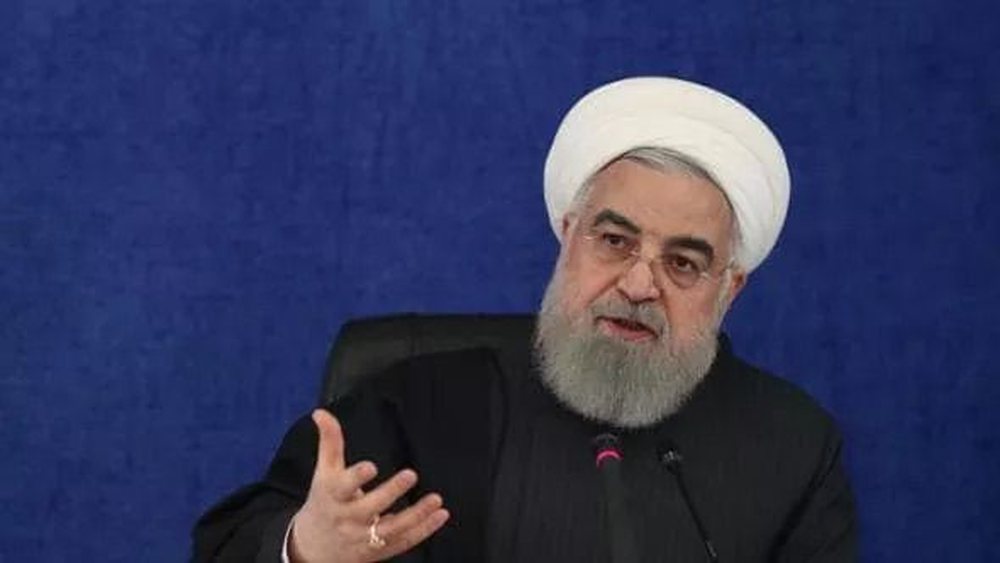
Besides Larijani, another strong figure is former President Hassan Rouhani, considered the most moderate within the system. The architect of the 2015 nuclear deal with Barack Obama's US, Rouhani has long experience in the state apparatus and support in certain religious circles.
Another potential candidate is Hassan Khomeini, the grandson of the ayatollah who founded the Islamic Republic in 1979. He has religious and political credentials, as well as support within the regime's traditional structures.
Meanwhile, despite periodic speculation, Khamenei's son, Mojtaba, is not considered a realistic candidate, as the Supreme Leader himself has stated that he does not want a dynastic succession.
A fierce battle
Succession maneuvers had long begun, but a potential transition is expected to be tense, with clashes between different factions of the Revolutionary Guard and within the Shiite clergy itself.
However, the biggest unknown remains the reaction of Iranian society – battered by the repression of recent years, but with strong demands for change.