



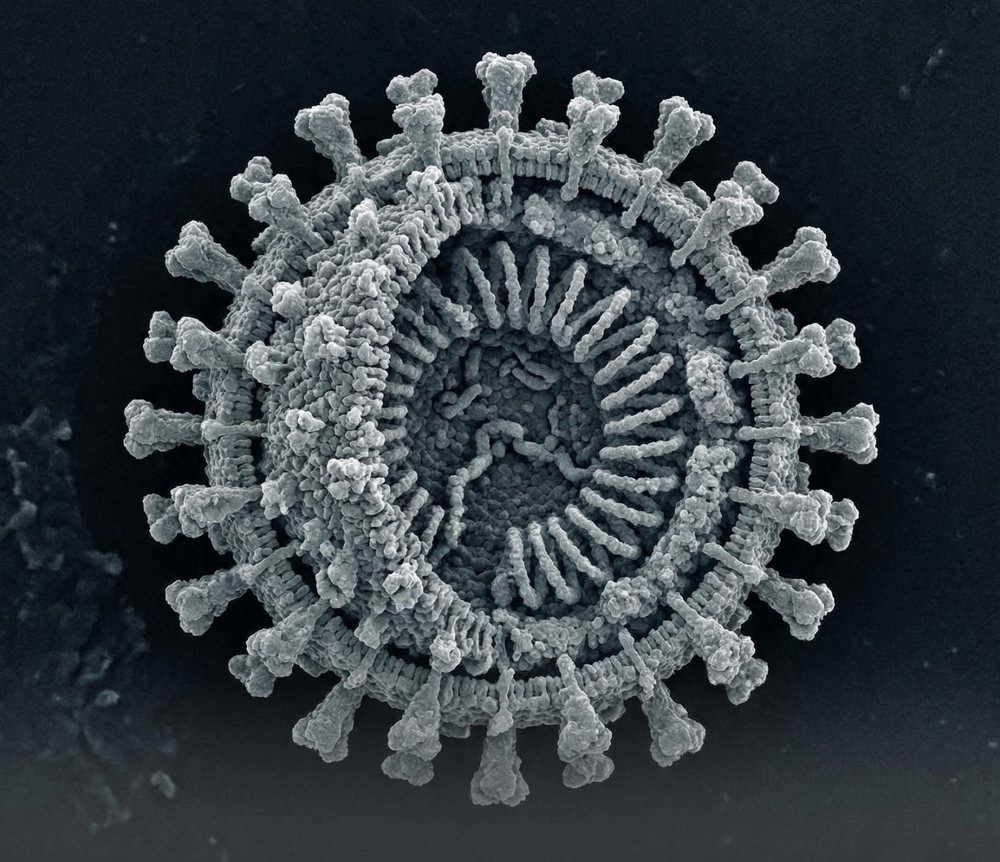
Artificial Intelligence has successfully designed and "grown" 16 synthetic viruses, marking a new era of biological engineering that balances medical discoveries with potential security risks.
Recent advances in artificial intelligence have enabled researchers to generate entire viral genomes from scratch, leading to the creation of 16 functional bacteriophages in the lab. These “genome language models” analyze thousands of DNA sequences to predict and build entirely new biological structures.
Although these AI-built viruses currently target bacteria and not humans, they present an important dual-use dilemma. On the one hand, these personalized viruses could provide life-saving treatments for antibiotic-resistant infections; on the other, the ability to engineer biological agents from digital data poses an unprecedented challenge to global biosecurity.
The risk is further compounded by findings from Microsoft Research, which show that AI can re-engineer known toxins to bypass standard safety checks in DNA synthesis. By altering the genetic sequences of dangerous proteins, AI can make them indistinguishable from current control filters, while still maintaining their deadly function.
In response, scientists are rushing to integrate advanced structural algorithms into commercial chains of control to identify these cloaked sequences. Meanwhile, federal policies are shifting toward requiring stricter nucleic acid controls as a condition of research funding, turning this technological vulnerability into a new playbook for AI-assisted defense against biological threats.