


Peace mediator Pakistan has shared with the United States a revised proposal from Iran to end the war in the Middle East, a Pakistani source told Reuters on Monday, warning that the sides "do not have much time" to narrow their differences.
Iranian Foreign Ministry spokesman Esmaeil Baghaei later confirmed that Tehran's views had been "transmitted to the American side through Pakistan," but did not provide details.
A fragile ceasefire is in place after six weeks of fighting that followed US-Israeli air strikes on Iran, but talks brokered by Pakistan have stalled and US President Donald Trump has said the ceasefire is "on the mend".
The Pakistani source did not provide details on the revised proposal. Asked if it would take time to close the gaps, the source said the parties "keep changing their intentions" and added that "there is not much time."
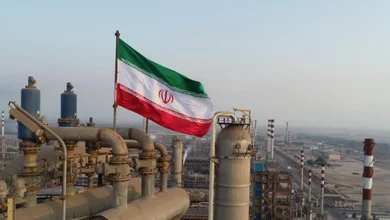
Washington has demanded that Tehran dismantle its nuclear program and lift an effective blockade of the Strait of Hormuz, through which about a fifth of the world's oil and liquefied natural gas supplies usually pass.
Iran has demanded compensation for war damages, an end to the US blockade of Iranian ports and a halt to fighting on all fronts, including in Lebanon, where Israel is fighting the Iranian-backed Hezbollah militia.
Trump said in a post on Truth Social over the weekend that "the clock is ticking" for Iran, adding that "they better move, FAST, or there will be nothing left of them."
Trump is expected to meet with top national security advisers on Tuesday to discuss options for resuming military action, it has been reported.
Issues hampering negotiations also include Iran's nuclear ambitions. The US and other major powers want to ensure that Iran cannot develop nuclear weapons.
Tehran denies it has attempted to do so and also wants compensation for war damages, a guarantee that there will be no further attacks and the resumption of Iranian oil sales.
Baghaei said Tehran was prepared for all scenarios.
"As for their threats, rest assured that we are fully aware of how to respond appropriately to even the slightest mistake by the opposing side," he said in a weekly televised press conference.