


G7 finance ministers are meeting in Paris for two days. The focus of discussions is expected to be the consequences of the war in Iran, which, according to German Finance Minister Klingbeil, is damaging the global economy.
German Finance Minister Lars Klingbeil has warned of the global economic consequences of the war in Iran. "This war is massively damaging economic development," the SPD politician said before leaving for a meeting of G7 finance ministers in Paris. Everything must be done to bring the conflict to a lasting end and guarantee free sea lanes.
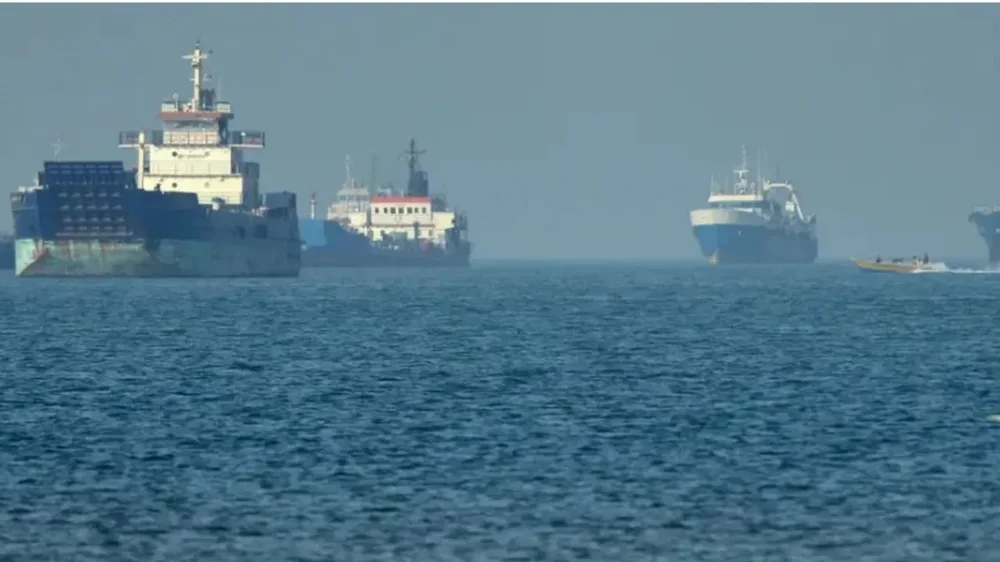
The G7 – an informal alliance of major Western industrial countries – is seen as the right framework for discussing urgent global issues with the US and other countries. Europe relies on cooperation rather than confrontation, as well as open trade. The war in Iran and the blockade of the Strait of Hormuz pose “a serious threat to the world economy,” Klingbeil stressed.
Trump again threatens Iran with destruction
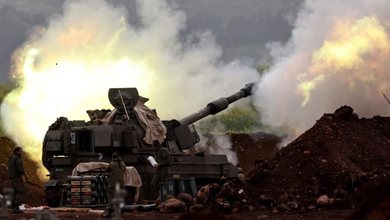
The US and Israel launched military strikes against Iran on February 28. The regime in Tehran responded with airstrikes on Israel, several Gulf countries and US targets in the Gulf region – as well as by blocking the Strait of Hormuz, one of the world’s most important maritime trade routes. A ceasefire is currently in effect in the war in Iran. However, there is still no lasting solution to the conflict and the severe economic consequences associated with it. US President Donald Trump again threatened the regime with harsh words. If Iran does not move towards the agreement, “there will be nothing left of them,” he wrote on his Truth Social platform.
The issue of raw materials: “prepared for crises”
The G7 group includes Germany, France, the United Kingdom, Italy, Japan, Canada and the United States. The G7 meeting, which takes place on Monday and Tuesday in Paris, is expected to focus on the economic consequences of the conflict in the Middle East and the potential impact on world trade.
Another topic is support for Ukraine. Inequalities in global trade, financing for developing countries, and measures against the financing of terrorism and organized crime will also be discussed.
German Finance Minister Klingbeil said before the G7 meeting that the current crises show that Germany and Europe must become more independent and resilient to crises, especially in the areas of raw materials, energy and supply chains. For this reason, talks will also take place in Paris with the finance ministers of Brazil, India, South Korea and Kenya.
Despite the focus on the Middle East, Russia's aggressive war against Ukraine should not go unnoticed, Klingbeil said. Ukraine's defense financing remains guaranteed by the G7 and the EU. To take bilateral economic relations to a new level, he will sign a double taxation avoidance agreement in Paris with his Ukrainian counterpart, Serhiy Marchenko. This is expected to strengthen economic exchanges and create legal certainty for the post-war period and reconstruction. /REL