


The European Union, although it still lacks a unified protocol for quarantine measures in the event of pandemics or new health outbreaks, has significantly improved its response mechanisms compared to the situation six years ago. However, experts continue to question whether these measures are sufficient to cope with a potential health crisis.
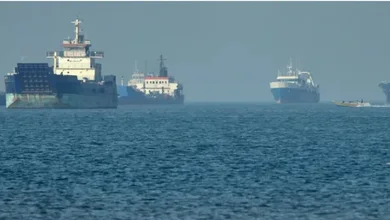
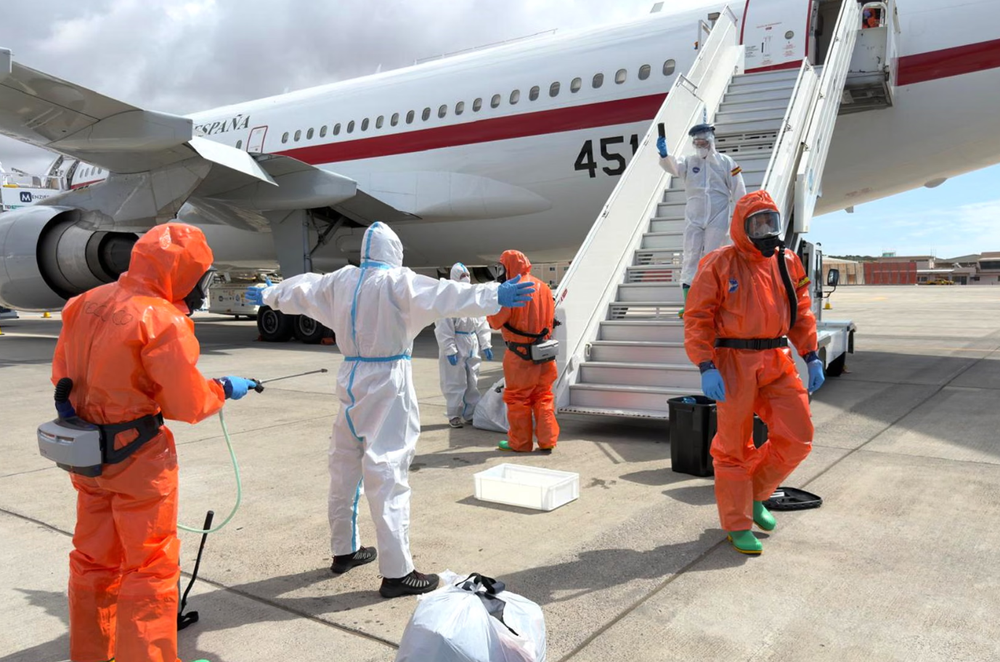
Concerns have been heightened by recent cases of hantavirus, particularly the Andean variant, which has been linked to deaths reported on the MV Hondius cruise ship in Spain. Despite public alarm, experts have urged calm, with the European Centre for Disease Prevention and Control classifying the current risk as “very low.”
Meanwhile, the EU Council has activated the crisis response mechanism in the information exchange mode, with the aim of real-time monitoring of the situation and coordinating actions between member states.
Experts emphasize that, although the EU has new instruments at its disposal after the COVID-19 pandemic for faster response and more efficient coordination, the lack of a common strategy for quarantine and social distancing remains one of the main challenges.
Following WHO guidelines, several European countries are implementing similar measures, including quarantine of up to six weeks for high-risk contacts, PCR testing, continuous monitoring, and movement restrictions.
In countries like the UK and France, isolation sometimes includes staying in hospital for part of the quarantine period. While Germany, Italy and Spain allow home isolation under medical supervision.
Even in the US, the Centers for Disease Control and Prevention recommends monitoring for up to 42 days for high-risk contacts, allowing for home isolation depending on individual conditions.
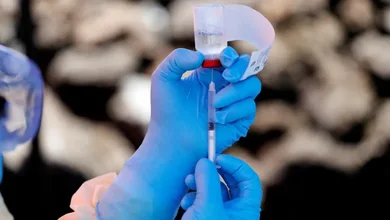
Following the experience of the COVID-19 pandemic, the European Union has adopted two key regulations: one for rapid notification of health threats within 24 hours and another for joint coordination in the purchase and distribution of vaccines and medicines, with the aim of avoiding the chaos experienced during the previous crisis.
In addition to EU member states, non-member states such as Albania, Serbia, and North Macedonia are also included in the European Civil Protection Mechanism, which was recently activated by Spain following reported cases of hantavirus.